Amano shrimp: how many for an algae-free planted tank?
Transparency: this article contains Amazon affiliate links. If you buy through them, we earn a small commission at no extra cost to you — it never influences our advice. Learn more
If you’ve ever admired a “nature-style” planted aquarium with immaculate plants, there’s a good chance a few Amano shrimp were working behind the scenes. They were made famous by the Japanese aquascaper Takashi Amano, precisely for their extraordinary appetite for algae.
They don’t work miracles, but in the right numbers they transform life in a planted tank. Here’s how many to add, and how to keep them in good shape.
The essentials. For everyday upkeep, allow roughly one Amano shrimp per 10 to 15 litres: 2 to 3 in a 30 L nano, 4 to 6 in a 60 L, 8 to 10 in a 100 L. When a planted tank is starting out, you can temporarily go up to one per 5 to 10 litres. They excel against fine hair algae and biofilm, don’t breed in fresh water and get along with most small, peaceful fish.
How many Amano shrimp for your tank
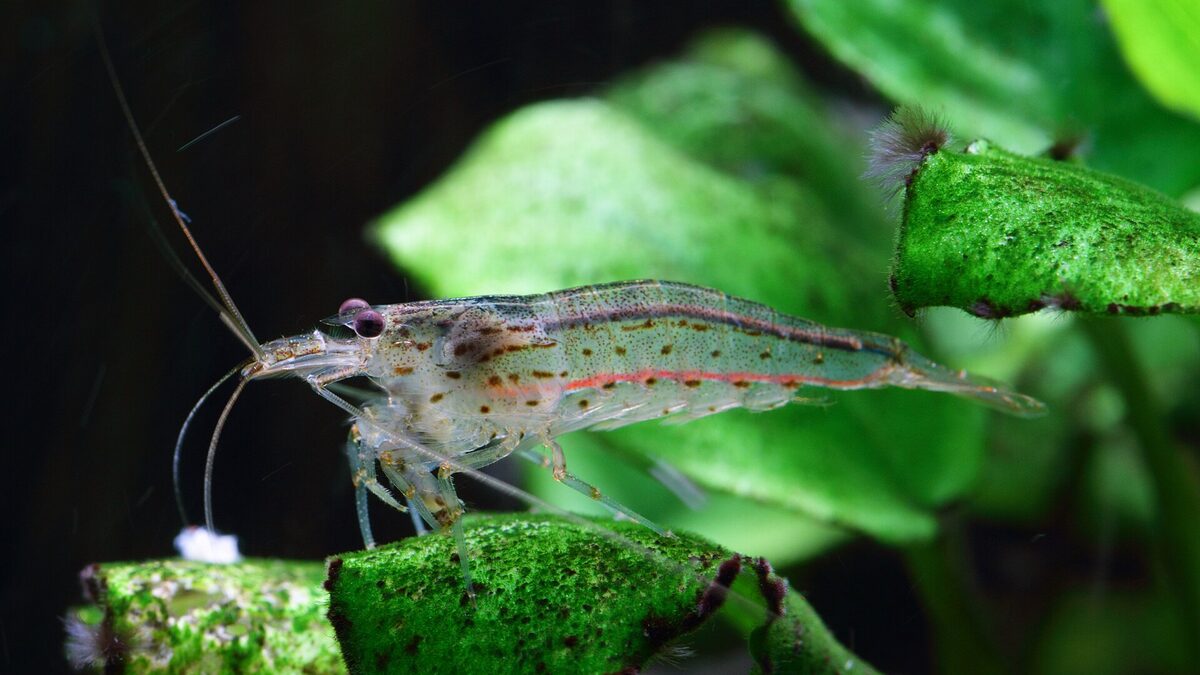
The Amano shrimp (Caridina multidentata) measures 3 to 5 cm as an adult, the females being the largest. It grazes relentlessly, day and night. The right number depends on your goal:
| Your aquarium | Everyday upkeep | Start-up or algae outbreak |
|---|---|---|
| Nano 20–30 L | 2–3 | 3–4 |
| 54–60 L | 4–6 | 8–10 |
| 100 L | 8–10 | 12–15 |
For a specific volume, the calculator further down the page gives you a cautious range for everyday upkeep. Beyond that, keep one simple rule in mind: the more shrimp you have, the faster the algae disappears… and the sooner you’ll need to feed them.
What Amano shrimp really eat
The Amano is the champion of fine hair algae, those green “hairs” that cling to plants and décor. It also tackles:
- biofilm and soft deposits on leaves and wood;
- leftover food that has fallen to the bottom;
- decaying plant debris.
On the other hand, it’s not very effective against hard algae: green spot algae on the glass is more a job for nerite snails, and established black beard algae resists almost everything.
Nor does it fix the cause of the algae. If the algae keeps coming back, look at the lighting and the nutrients: our guide to green hair algae sets out the full method, and the one on the best LED light for a planted tank helps you find the right settings.
Healthy, growing plants are also the best weapon against algae: they use up the nutrients first. A fertiliser suited to shrimp tanks helps them do it:
Shrimp-safe liquid fertiliser
Our pick- Copper-free formula, safe for shrimp
- Vigorous plants leave less room for algae
- Simple dosing, once or twice a week
- Overdosed, it feeds the algae too: stick to the dose
Amazon affiliate link. Price and availability may change at any time.
No breeding in fresh water
You’ll probably see females carrying eggs under their abdomen. But Amano shrimp larvae need brackish water to develop: in a freshwater aquarium, they don’t survive. So the population stays stable, which is a real advantage in an aquascape. If you want a colony that breeds, Neocaridina is the shrimp to turn to: see how many Neocaridina to start a colony in 30L.
| Feature | Amano shrimp | Neocaridina shrimp |
|---|---|---|
| Adult size | 3–5 cm | 2–3 cm |
| Against algae | Excellent, especially hair algae | Decent, mainly biofilm |
| Breeding in fresh water | No | Yes, very easily |
| With small fish | Adults rarely bothered | Babies often eaten |
Water and acclimatisation
The Amano is one of the most tolerant shrimp. It’s happy in water that is:
- at 20–28 °C (ideally 22–26 °C);
- between pH 6.5 and 7.8;
- soft to moderately hard.
Like all shrimp, however, it’s very sensitive to copper (some medications and fertilisers), ammonia and nitrite. It should only go into a cycled, mature tank, as explained in the nitrogen cycle.
Drip-acclimatise your Amanos: empty the bag into a small container, then use a thin airline tube to drip tank water into it for 30 to 60 minutes. Shrimp cope far better with a gradual change than with being switched abruptly from one water to another.
Filter, lid and moults
A few precautions will spare you nasty surprises:
- A lid: Amanos are great explorers and can escape along the pipework.
- A sponge over the filter intake: adults aren’t at much risk, but a sponge protects the younger ones and the other shrimp in the tank. Our article on filter flow for a shrimp tank explains how to set it up.
- Moults: you’ll regularly find “empty shrimp” on the bottom of the tank. These are moults, a sign that all is well. Leave them in: the shrimp recover the minerals from them.
Pre-filter sponge for the intake
Our pick- Stops shrimp being sucked into the filter
- Provides a grazing surface rich in biofilm
- Adds a little mechanical filtration
- Rinse it regularly in tank water so it doesn't cut the flow
Amazon affiliate link. Price and availability may change at any time.
When the algae has gone
That’s a sign your Amanos have done a good job… and that it’s now time to feed them. Give them a small amount of shrimp food or algae wafers 2 to 3 times a week. Be careful not to overdo it: well-fed shrimp lose interest in algae, and leftovers foul the water.
Shrimp food
Our pick- Formulated for shrimp's needs (minerals, plant matter)
- Sinks and holds together in the water
- A small tub lasts for months
- Feeding too much distracts the shrimp from the algae
Amazon affiliate link. Price and availability may change at any time.
Which tank mates?
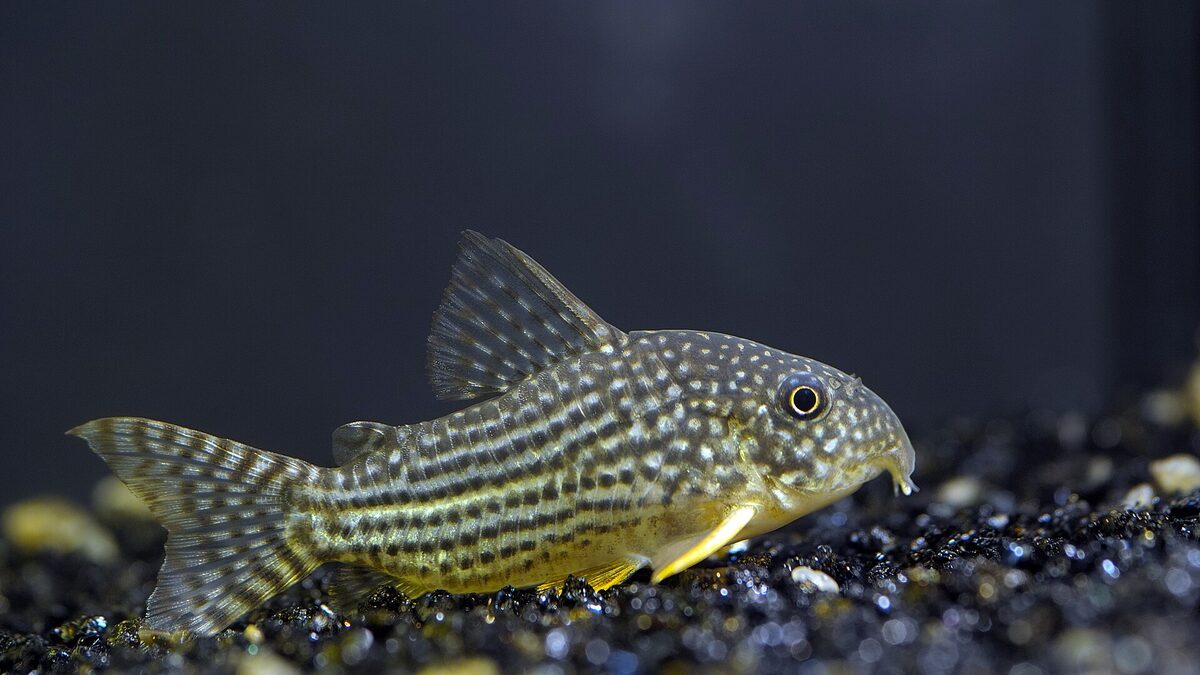
Once fully grown, Amanos are too big for most small community fish: neon tetras, rasboras, Corydoras, guppies and platies leave them alone. They also live happily alongside nerites and Neocaridina.
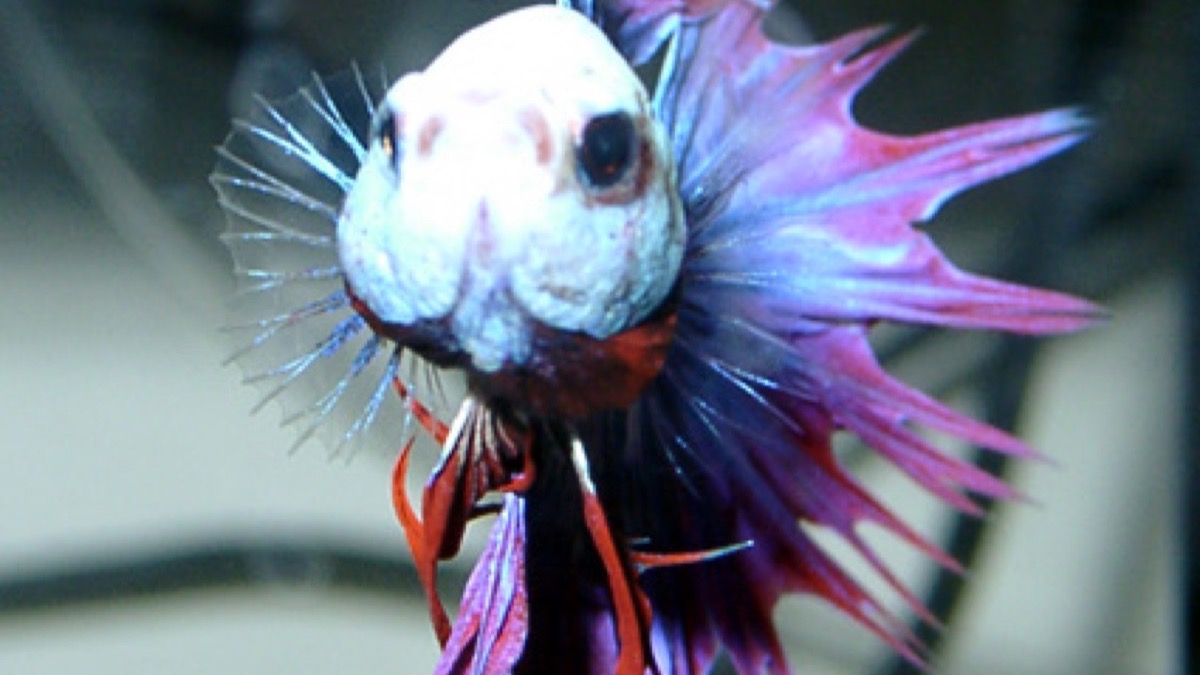
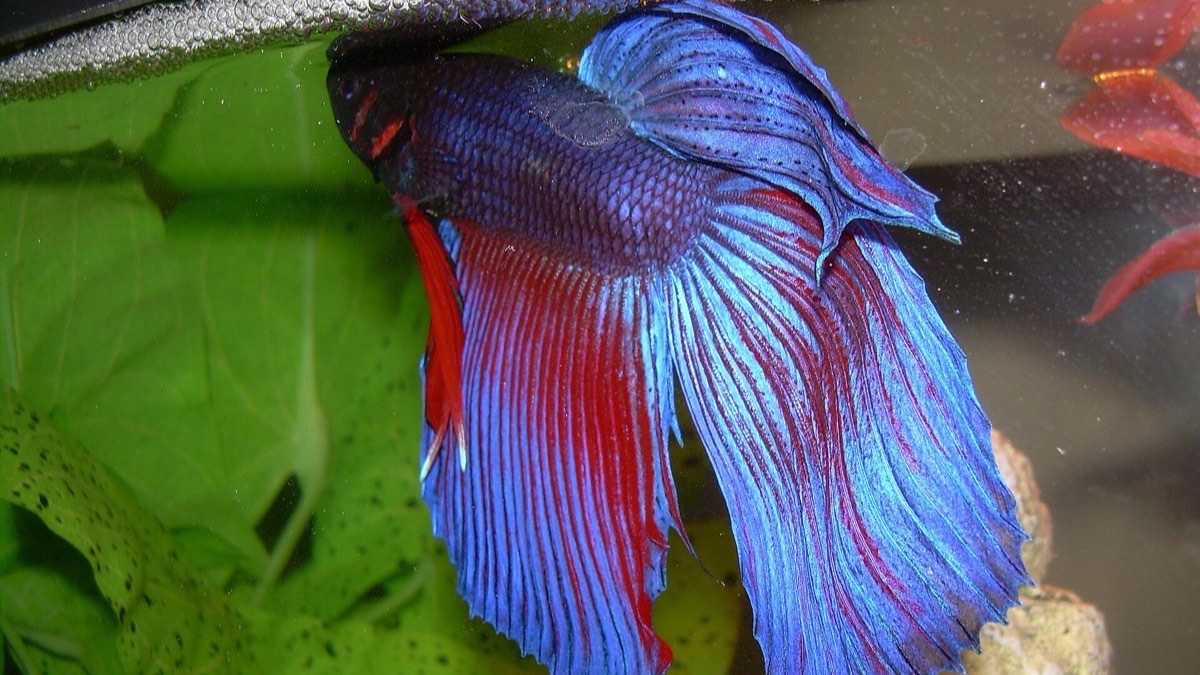
Avoid, however, fish big enough to swallow them: adult angelfish, cichlids, large barbs, goldfish. As for the betta, it’s unpredictable: some ignore them, others hunt them.
Before you add Amano shrimp
- My tank is cycled and mature (0 ammonia, 0 nitrite)
- No medication or fertiliser containing copper
- I'm planning roughly one Amano per 10 to 15 litres
- Lid in place and a sponge over the filter intake
- No fish big enough to swallow them
- I've got food ready for when the algae has gone
Against hair algae, nothing beats a team of Amanos: tireless, hardy and fascinating to watch. We hold back half a point because people often credit them with magical powers: they clean, but they don't correct over-long lighting or overfeeding. In a well-balanced tank, they work wonders.
Conclusion
To keep a planted tank clean, allow roughly one Amano shrimp per 10 to 15 litres, and up to one per 5 to 10 litres while a new tank settles down. Hardy, peaceful and unable to breed in fresh water, they’re the best allies against hair algae, as long as you acclimatise them gently and feed them once the job is done.
To complete the team, see how many nerite snails you need for algae. And for a planted tank that gets off to a good start, try our easy plants with no CO2.
How many fish in my tank?
Enter your tank volume and the species you want — we give a cautious estimate.
Indicative estimate. It also depends on filtration and plants, and assumes a cycled tank. When in doubt, stock less: animal welfare comes first.
Frequently asked questions
How many Amano shrimp in a 60-litre tank?
Allow 4 to 6 Amano shrimp in a planted 60-litre tank for everyday upkeep, or roughly one per 10 to 15 litres. When a planted tank is just starting out, or during an algae outbreak, you can temporarily go up to 8 to 10, as long as you feed them once the algae has gone.
Do Amano shrimp eat hair algae?
Yes, it's their great speciality: they tackle fine hair algae, soft deposits and biofilm. They're not very effective, however, against hard algae such as green spot algae on the glass, or against well-established black beard algae.
Do Amano shrimp breed in an aquarium?
Females often carry eggs, but the larvae need brackish water to develop. In a freshwater aquarium, breeding therefore never succeeds: the population stays stable.
Can you keep Amano shrimp with fish?
Yes, with most small, peaceful fish: neons, rasboras, Corydoras, guppies… Fully grown Amanos are too big to be eaten by these species. Avoid, however, large fish that can swallow them, such as adult angelfish, cichlids or goldfish.
What should you feed Amano shrimp when the algae has gone?
Give a small amount of shrimp food or algae wafers 2 to 3 times a week. Don't overdo it: well-fed shrimp lose interest in algae, and leftovers foul the water.