Betta fish care guide
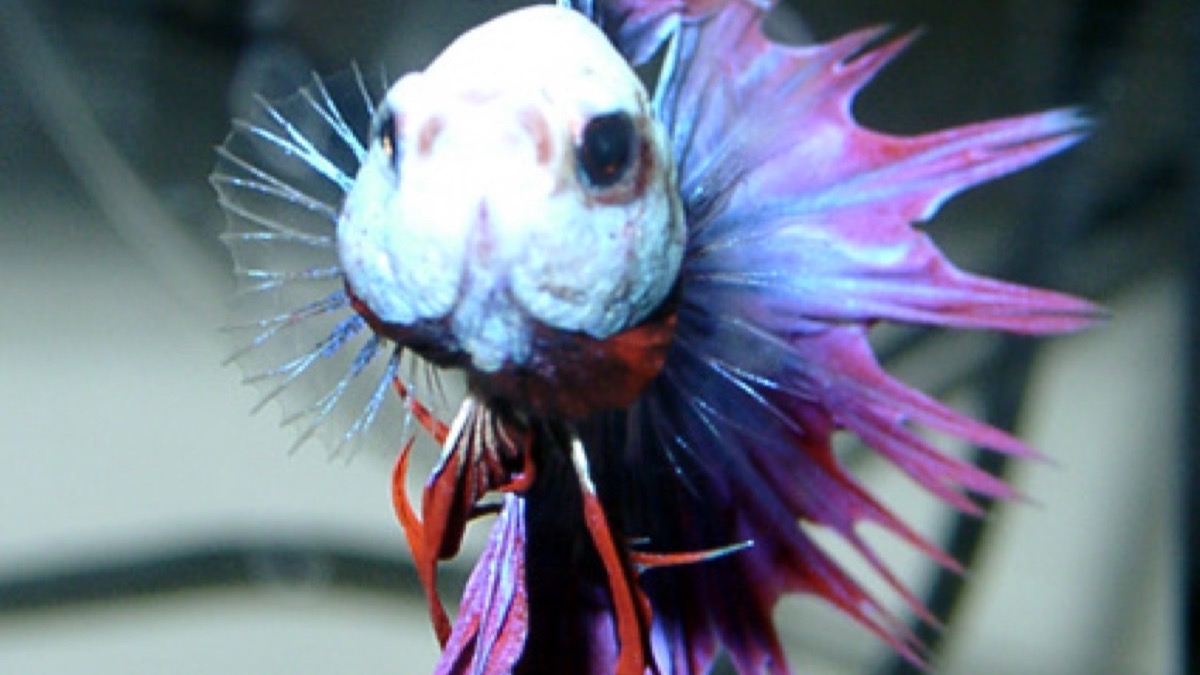
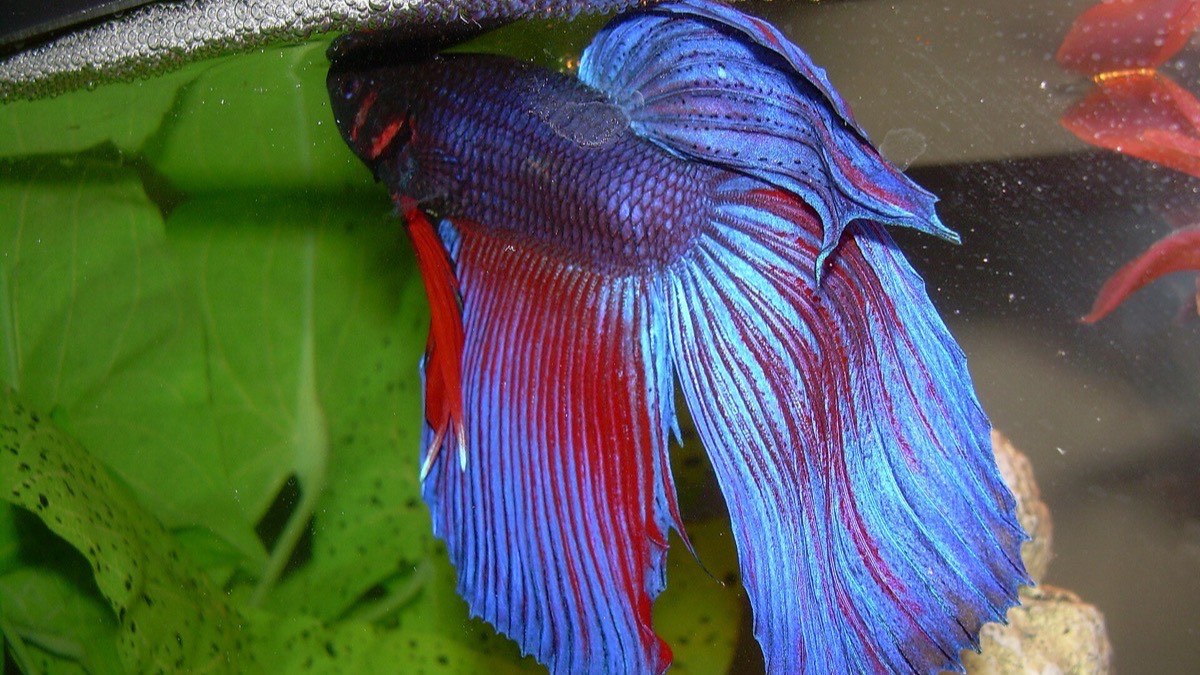
The betta, or Siamese fighting fish, is one of the most popular fish — and one of the most mistreated, because of the bowl myth. Yet kept well, it’s a hardy, intelligent and expressive fish that lives for several years. Here’s the complete guide to giving it a truly good life.
The essentials. A happy betta means: a tank of at least 15–20 L, heated to 24–28 °C, gently filtered, planted with hiding spots and covered (it jumps). It’s a carnivore you feed little but rich in protein, with one fasting day a week. Territorial: never two males together. Treated well, it lives 3 to 5 years.
Housing: volume, warmth, calm
Three pillars, covered in detail in our dedicated article on volume, but summed up here:
- Volume: 15–20 L minimum, more is better. The bowl is a no-go.
- Warmth: 24–28 °C around the clock, via a heater with a thermostat. Without a heater, the betta fades.
- Calm: gentle filtration (it hates strong currents), plants and hiding spots to rest.
And one vital detail: a lid. The betta is a jumper; an open tank often ends in tragedy.
The betta has an organ (the labyrinth) that lets it breathe air from the surface: it must always be able to reach it freely.
The heater with a thermostat is the truly non-negotiable piece of kit. For a 15–20 L tank, a small model (around 50 W) is enough. Here’s our pick:
Thermostatic nano heater (≈ 50 W)
Our pick- Adjustable thermostat to hold a stable temperature, day and night
- Wattage suited to small volumes (15–20 L)
- Prevents the lethargy and disease caused by water that's too cold
Amazon affiliate link. Price and availability may change at any time.
If you take in a betta sold in a cup, whatever you do, don't recreate those conditions. A proper heated, planted tank literally transforms the fish within days: brighter colours, active swimming, bubble-nest building. It's striking.
Feeding: carnivorous and frugal
The betta is a carnivore. Its staple:
- betta-specific pellets (protein-rich);
- as a supplement, frozen or live prey (bloodworms, brine shrimp, daphnia).
Feed a small amount, once a day, and observe one fasting day a week. Overfeeding is mistake number one: it causes bloating and pollutes the water. A slightly hungry betta is better than a stuffed one.
For the staple of its diet, pellets designed for bettas do the job:
Betta-specific pellets
Our pick- Protein-rich, suited to the betta's carnivorous diet
- Pellets sized for a small mouth, easy to portion
- Pair well with frozen prey (bloodworms, brine shrimp)
Amazon affiliate link. Price and availability may change at any time.
Behaviour and tank mates
The betta is territorial, especially the male:
- never two males in the same tank (fighting);
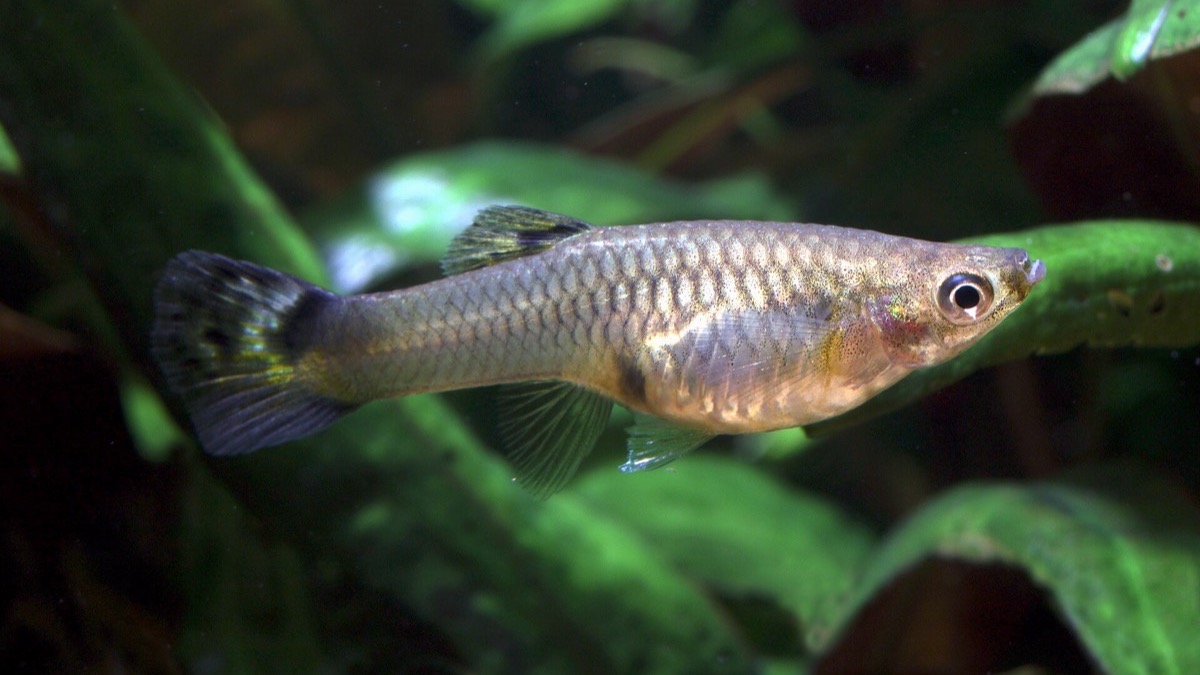
- no fish with long, colourful fins (male guppies…) that it mistakes for rivals;
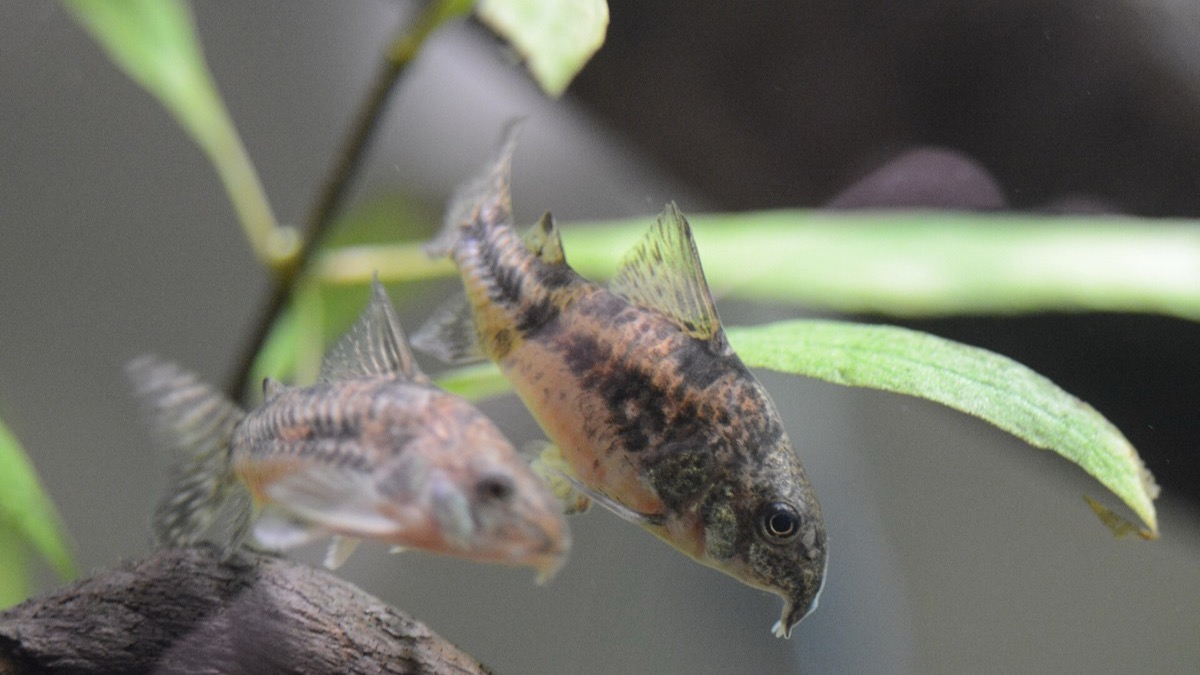
- calm, unobtrusive companions are sometimes possible in a large enough, planted tank (some bottom dwellers, sometimes shrimp — depending on temperament, which varies a lot from one individual to the next).
When in doubt, a betta on its own in a nice planted tank is the safest option and often the most content.
Recap before you start
Before setting up your betta, check that everything is in place:
- Tank of 15-20 L minimum, cycled and covered
- Thermostatic heater set to 24-28 °C
- Gentle filtration + plants and hiding spots
- Carnivorous food, little, 1×/day + 1 fasting day/week
- One male only; no fish with long fins
- Free access to the surface (breathing air)
The betta is proof that an "easy" fish still deserves a real aquarium. In 20 L, planted and heated, it shows a surprising personality: it follows you, eats from your hand, builds nests. Light-years from the sad bowl.
Conclusion
The betta isn’t a stopgap bowl fish: it’s an expressive companion that, in a 15–20 L tank that’s heated, gently filtered, planted and covered, lives 3 to 5 years in great shape. Feed it frugally and richly, respect its territorial temperament, and it will repay you with its colours and behaviour. The fighting fish deserves better than its reputation.
For the detail on volume, see Minimum tank size for a betta, and for heating, What wattage heater for a 54L tank?.
Frequently asked questions
What does a betta need to be happy?
A tank of at least 15-20 litres, heated to 24-28 °C, gently filtered, planted with hiding spots and covered (it jumps). The betta also needs access to the surface to breathe air. Volume, warmth and calm are the three pillars.
What does a betta eat?
The betta is a carnivore: it needs protein-rich food, betta-specific pellets, supplemented with frozen or live prey (bloodworms, brine shrimp). Feed a small amount once a day, with one fasting day a week to avoid digestive trouble.
Can a betta live with other fish?
With caution. The male betta is territorial: never two males together, and no fish with long or showy fins it might mistake for rivals. In a large enough, planted tank, calm and unobtrusive companions (some bottom dwellers, shrimp depending on temperament) are sometimes possible.
How long does a betta live?
Well kept, a betta lives 3 to 5 years on average. The short lifespans often reported come from poor conditions (unheated bowl, poor water quality). Good conditions extend its life considerably.
Why does my betta stay at the bottom or the surface?
A lethargic betta at the bottom often signals water that's too cold (no heater) or poor quality. Sitting at the surface, it may be seeking air if the water is short on oxygen, or simply resting (normal behaviour). Check temperature and parameters first.