What wattage heater for a 54L tank?
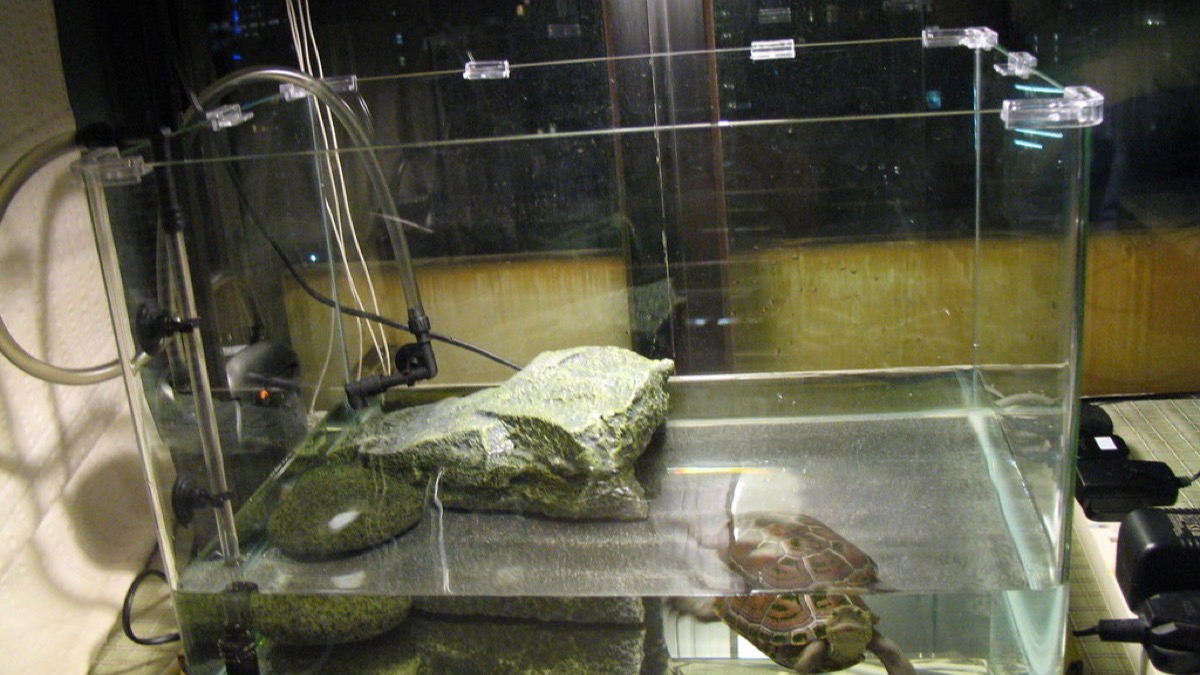
A 54-litre tank is the classic starter volume — and choosing its heater takes two minutes once you know the rule. Too weak and the water never reaches the right temperature; too strong and it heats in bursts. Here’s the right wattage and the only calculation you need to remember.
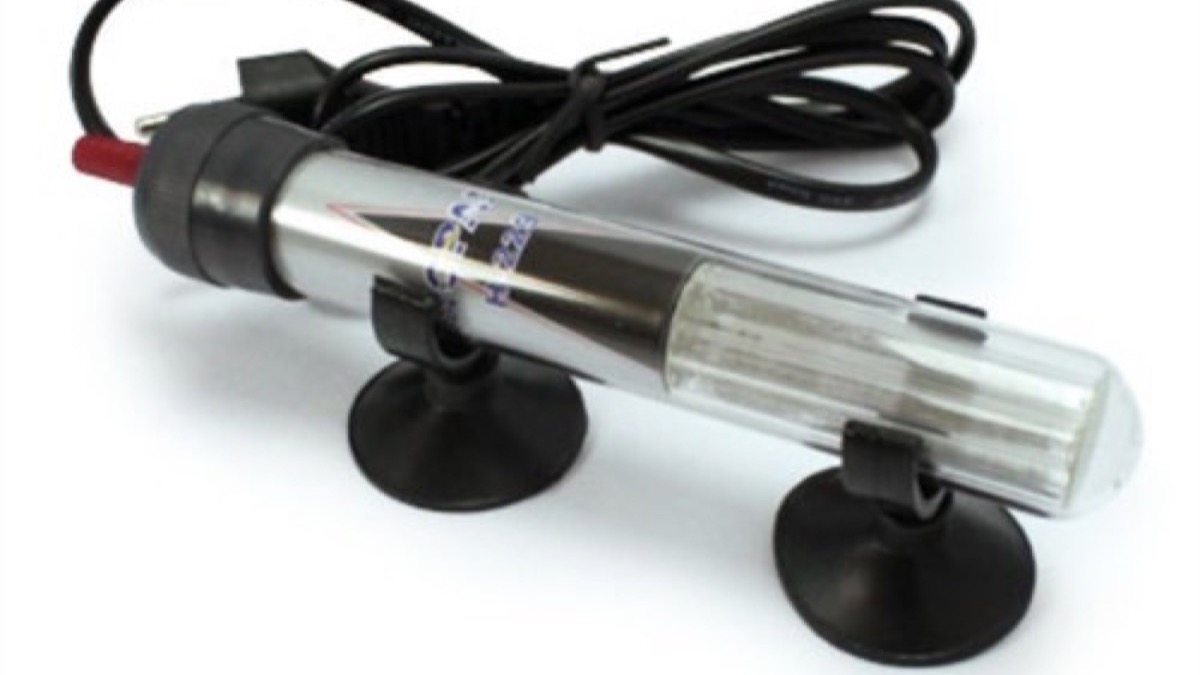
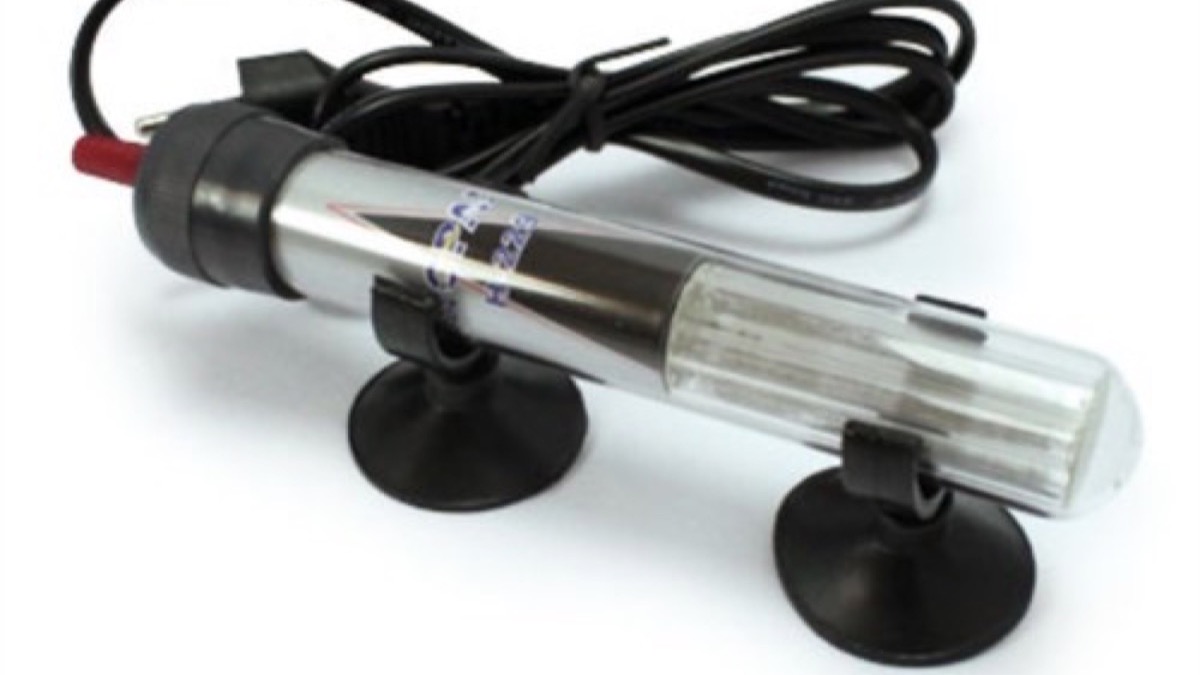
The essentials — our pick. For a 54-litre tank, aim for 1 to 1.5 watts per litre, so a 50 to 75 W heater. In a normally heated room, 50 W is enough; if the room gets cool in winter, go for 75 W. Insist on a thermostat (temperature setting) and check with an independent thermometer.
The calculation rule (worth remembering)
The need depends on two things: the volume and the gap between the room temperature and the temperature you want in the tank (often 24–26 °C).
- Temperate room (heated) → 1 W / litre.
- Cool room or a large gap → up to 1.5 W / litre.
For 54 L: between 54 and 81 W. In practice, you pick the nearest commercial wattage: 50 W (heated room) or 75 W (cool room).
| Situation | Recommended wattage (54L) |
|---|---|
| Living room heated all year round | 50 W |
| Sometimes cool room (bedroom, hallway) | 75 W |
| Cold room in winter | 75 W (even 100 W) |
When in doubt, go slightly above (75 W for a 54L) rather than below: a heater that struggles to hold the temperature runs constantly and wears out. A slightly more powerful model, driven by a good thermostat, works away calmly.
The thermostat: non-negotiable
An aquarium heater is set to the temperature you want and switches itself off when it’s reached, thanks to its thermostat. That’s what prevents overheating. Never buy a system without a thermostat.
And because a thermostat can drift over time, you double up the safety with an independent thermometer: if the two readings diverge, that’s your signal to keep an eye on things.
For a 54L, here’s our pick:
50–75 W heater with thermostat
Our recommendation- Wattage matched to the 54L (the 1 to 1.5 W/L rule)
- Adjustable thermostat that cuts off at the set point
- 75 W keeps a margin for winter cold snaps
Amazon affiliate link. Price and availability may change at any time.
And the independent thermometer to go with it, to check the real temperature:
Independent thermometer
- Gives the real temperature, independently of the heater
- Warns you if the two readings diverge
- Cheap, for peace of mind
Amazon affiliate link. Price and availability may change at any time.
Before you plug in, check these points:
- I've calculated 1 to 1.5 W/L → 50 to 75 W for my 54L
- I went for 75 W if the room is sometimes cool
- The heater has an adjustable thermostat
- I have an independent thermometer to check
- I place the heater near a water flow (filter) for even heat
- I wait 15–20 min after installing before plugging in (let the glass reach temperature)
On a 54L I almost always recommend 75 W over 50 W: it keeps a margin for winter cold snaps without ever straining. Paired with a check thermometer, that's the no-stress setup.
Conclusion
For a 54-litre tank, a 50 to 75 W heater with thermostat covers every case — 75 W if your room can get cool. Remember the 1 to 1.5 watts per litre rule, insist on a thermostat, and keep an independent thermometer for peace of mind. It’s one of the simplest purchases in the hobby, as long as you don’t undersize it.
Many tropical species depend on this heater: see for example “Minimum tank size for a betta (does it need a heater)?”. And to set everything up in the right order, “How long to cycle a 54L tank?”.
Frequently asked questions
What wattage heater do I need for a 54-litre aquarium?
Allow around 1 to 1.5 watts per litre, so a 50 to 75 W heater for a 54L in a normally heated room. If the room gets cool in winter, aim for the top of the range (75 W) or a slightly more powerful model.
How do I work out aquarium heater wattage?
The basic rule is 1 W per litre in a temperate room, up to 1.5 W per litre if the room is cold or if the gap to your target temperature is large. For 54L that gives 54 to 81 W: a 50 to 75 W heater is the usual choice.
Is an oversized heater dangerous?
An oversized heater heats in bursts and can push the temperature up too fast if the thermostat sticks. A properly sized wattage is better. But the key is a reliable thermostat and monitoring with an independent thermometer.
Does a heater need a thermostat?
Yes, always. Any proper aquarium heater comes with a thermostat that cuts off at the set temperature. Without one, the water would heat with no limit. Double up the safety with a separate thermometer to check the real temperature.