Best LED light for a planted tank: choosing well
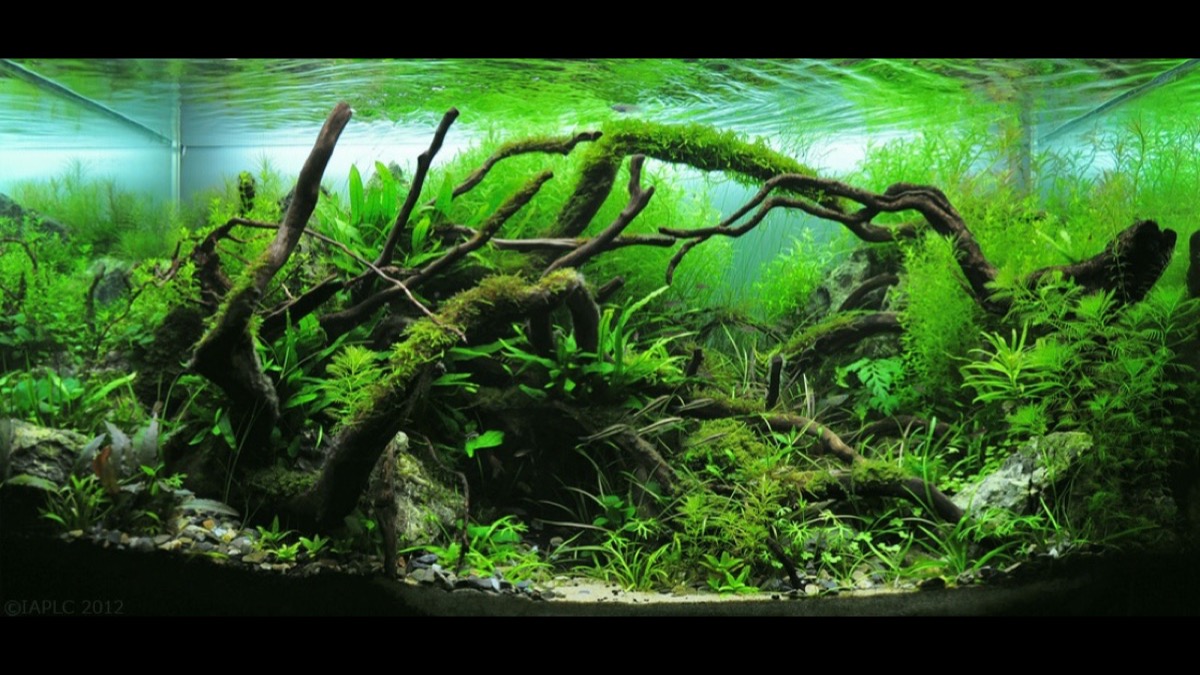
Lighting is the engine of a planted tank: it’s what enables photosynthesis. But it’s also the trickiest setting to get right, because too much light = algae. Here’s how to choose an LED light suited to your plants, without turning the tank into an algae field.
The essentials — how to choose. Intensity is chosen according to your plants: moderate (~0.3–0.5 W/L) for easy plants without CO2, stronger for demanding plants with CO2. Aim for a full spectrum (≈ 6500 K, red + blue) and a duration of 6 to 8 h/day (timer). An adjustable light is a real plus: you adapt and ramp up gradually to limit algae.
Intensity: set it for your plants
The classic mistake is to go for “the most powerful”. In reality, the intensity should match your plants and your carbon supply:
| Tank type | Intensity | CO2 |
|---|---|---|
| Easy plants (Anubias, mosses, Crypts) | Moderate (~0.3–0.5 W/L) | Not needed |
| Medium plants | Medium | Optional |
| Demanding plants (carpeting, red) | Strong | Recommended |
Too much light without CO2 and proper nutrients won’t grow plants faster — it feeds algae. For a beginner’s no-CO2 tank, moderate intensity isn’t just enough, it’s preferable.
The beginner's trap: buying an overpowered light "so the plants grow well", with no CO2 or fertiliser. Result: algae everywhere. Match the light to the rest of your setup. Without CO2, restrained lighting is your best ally.
Spectrum and duration
- Spectrum: a daylight look (around 6500 K) with red and blue supports photosynthesis and shows the plants off nicely. Serious “plant” lights cover this need.
- Duration: 6 to 8 h/day is enough. Beyond that, you feed algae with no benefit. A timer guarantees a constant duration.
The comfort of an adjustable light
A light that’s adjustable in intensity (and sometimes in duration, day/night mode) brings real flexibility: you adapt it to the plants, and above all you start gently then ramp up — the best way to avoid the algae bloom of the first few weeks.
For a beginner’s planted tank, here’s our pick:
Adjustable LED light for a planted tank
Our recommendation- Adjustable intensity: start gently to limit algae
- Full daylight-type spectrum (≈ 6500 K)
- Size to match the length of the tank
Amazon affiliate link. Price and availability may change at any time.
To set a constant 6–8 h duration without thinking about it, add a timer:
Plug-in timer
- Sets the duration to 6–8 h/day automatically
- Avoids the lapses that feed algae
- Simple and cheap
Amazon affiliate link. Price and availability may change at any time.
Before you buy, check these points:
- Intensity chosen by my plants (moderate if no CO2)
- Full daylight-type spectrum (~6500 K)
- Duration set to 6–8 h/day (timer)
- Adjustable light to start gently and ramp up
- Light size matched to the length of the tank
- I don't buy overpowered if I have neither CO2 nor fertiliser
The winning combo for a beginner's planted tank: an adjustable light started at low intensity, driven by a timer over 6–8 h. You ramp up gradually based on how the plants respond. That's what avoids the classic first-month algae explosion.
Conclusion
The “best” LED light isn’t the most powerful, but the one suited to your plants: moderate intensity for an easy no-CO2 tank, a full spectrum, 6–8 h/day via a timer. An adjustable light lets you start gently and keep algae at bay. Set the light to match the rest of your setup, not the other way round.
For a specific case, see “How much LED light to grow Anubias?”, and for the plants, “Easy plants with no CO2”.
Frequently asked questions
How much LED light for a planted tank?
It depends on the plants. For easy plants without CO2, moderate intensity (around 0.3–0.5 W/L) is enough. For demanding plants with CO2, you go higher. Too much light without CO2 and proper nutrients mostly feeds algae.
What light spectrum for aquarium plants?
A full daylight-type spectrum (around 6500 K), with a good share of red and blue, supports photosynthesis. Most 'plant' LED lights offer a suitable spectrum. What matters is a natural look and controlled intensity.
How many hours of light for a planted tank?
6 to 8 hours a day is enough for most planted tanks. Beyond that, you don't improve growth but you do encourage algae. A timer guarantees a constant duration, ideal for the tank's balance.
Do I need an adjustable LED light?
It's a real plus. Being able to adjust the intensity (and sometimes the duration) lets you match the light to your plants and ramp up gradually to limit algae at start-up. Otherwise, you adjust the duration with an external timer.