Rocks and driftwood for aquariums: a guide
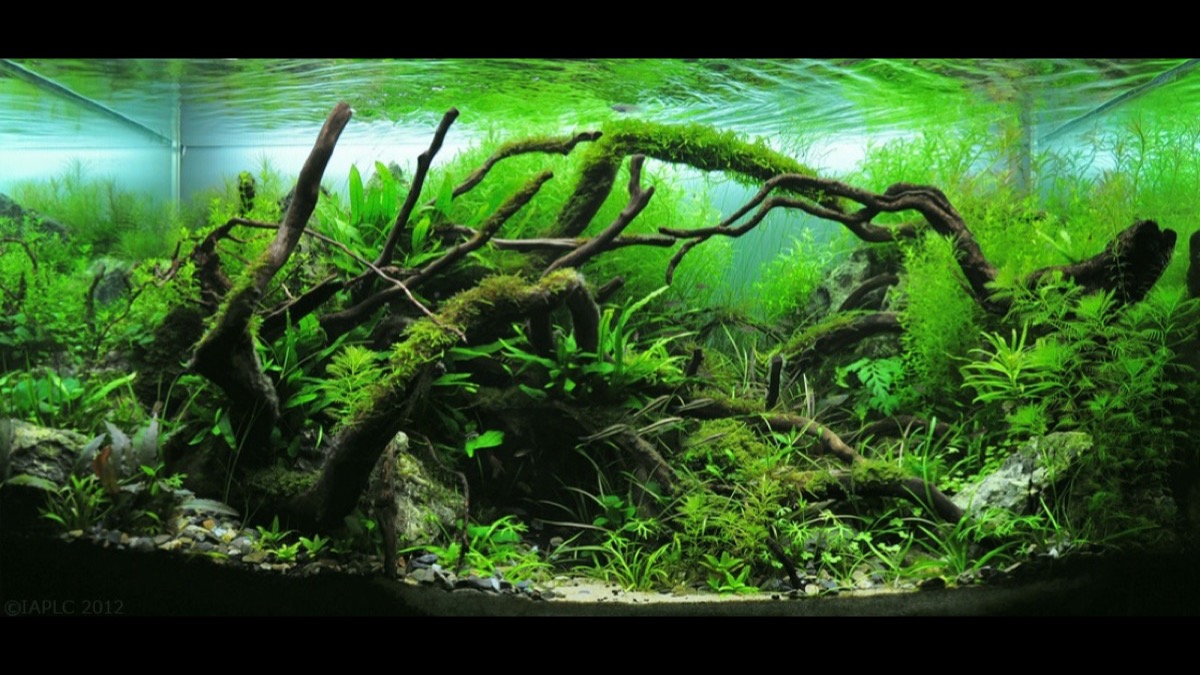
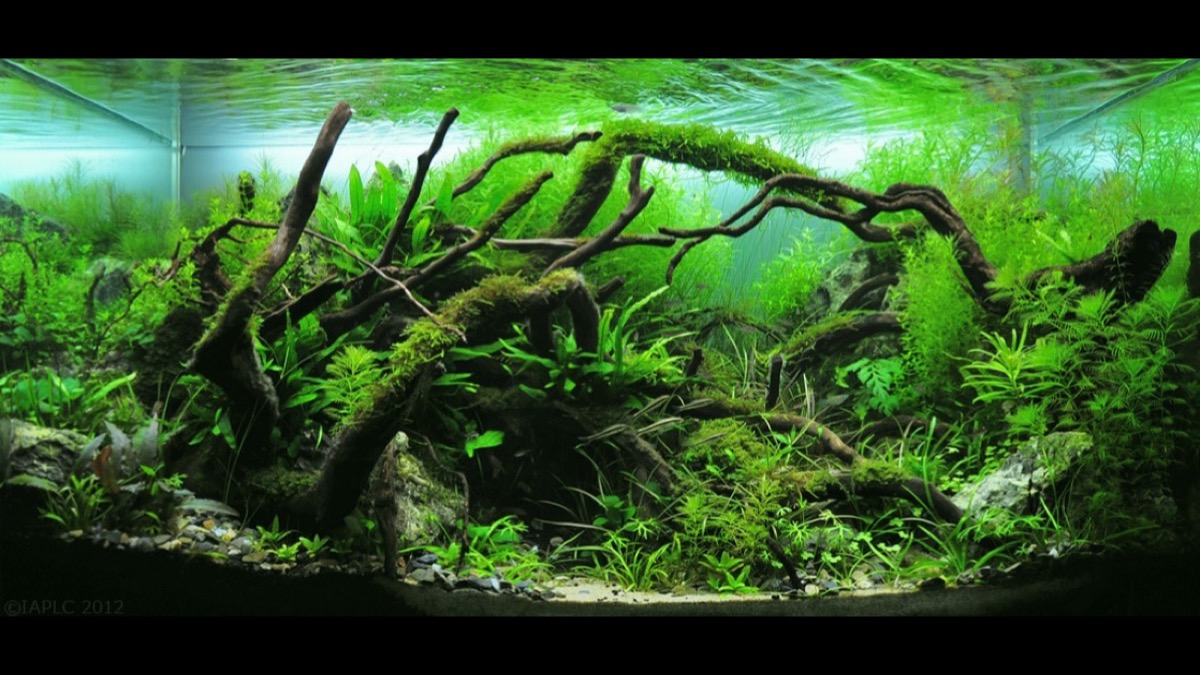
A handsome rock, a sculptural piece of wood: that’s what gives an aquarium its character. But not everything belongs in the water — some rocks harden the water, some wood rots. Here’s how to choose and prepare rocks and wood safely.
The bottom line. Safe rocks: inert ones (slate, quartz, basalt, lava, siliceous sandstone). Watch out for: calcareous rocks (limestone, marble) that harden the water and raise the pH. Safe wood: pieces sold for the aquarium hobby (mangrove, Mopani, spider wood). Rinse everything under clean water (never soap), and soak the wood so it sinks and releases its tannins. When in doubt about a rock: the vinegar test (fizzing = calcareous).
Rocks: inert or calcareous?
The key question: does the rock change the water or not?
- Inert rocks (safe): slate, quartz, basalt, lava rock, siliceous sandstone. They alter neither the pH nor the hardness. The default choice for most tanks.
- Calcareous rocks: limestone, marble, some “seiryu” stones. They release calcium → the water hardens and the pH rises. Only useful if you actually want hard water (cichlids, snails); avoid them for a neutral or acidic freshwater tank.
The vinegar test: pour a few drops of vinegar onto the rock. Does it fizz? → calcareous (changes the water). No reaction → the rock is probably inert.
Don't pick up any old stone outdoors "because it looks nice". An unknown rock could be calcareous, contain metal or leave residues behind. The vinegar test takes ten seconds and saves you from throwing the whole tank out of balance.
Wood: which kinds and how to prepare them
Wood sold for the aquarium hobby is safe: mangrove root, Mopani, spider wood, bogwood. Avoid unidentified wood collected from the woods, resinous wood and rotten wood.
Two quirks to know about:
- Tannins. Wood releases tannins that tint the water brown (the “tea” effect). It’s harmless — actually sought after in blackwater tanks. Soaking and activated carbon tone it down.
- Floating. Dry wood floats until it’s waterlogged. You need to soak it for several days to weeks, or weigh it down (fix it to a rock) until it sinks.
Preparing it, step by step
To play it safe on the wood front, choose a piece explicitly sold for the aquarium hobby: it’ll release tannins but won’t rot.
Aquarium driftwood (Mopani, mangrove, spider wood)
Our pick- Sold for the aquarium hobby: no resinous or rotten wood
- Harmless tannins, sought after in blackwater tanks
- Soak it so it sinks and leaches out some of the tannins
Amazon affiliate link. Price and availability may change at any time.
On the rock side, go for decorative rocks sold as inert so you don’t change your water.
Inert decorative rocks (slate, lava)
Our pick- Inert rocks: alter neither the pH nor the hardness
- Slate, lava: the default choice for most tanks
- Vinegar-test at the slightest doubt (fizzing = calcareous)
Amazon affiliate link. Price and availability may change at any time.
Before submerging your hardscape, run through this prep checklist:
- Rock: vinegar test (no fizzing = inert, OK)
- Wood: sold for the aquarium hobby, not picked up at random
- I scrub and rinse under clean water (never soap/product)
- I soak the wood so it sinks and releases its tannins
- I accept (or tone down with carbon) the brown tint from tannins
- I wedge rocks and wood firmly (stability, especially with digging fish)
The reflex that saves a tank: vinegar-test every rock before you submerge it. Ten seconds to know whether it'll harden your water or not. It's the kind of small habit that sets a thoughtful aquarist apart from a beginner wondering why their pH is climbing.
Conclusion
For a natural scape with no nasty surprises: inert rocks (vinegar-tested), aquarium-grade wood (soaked to sink), everything rinsed under clean water with no soap. The brown tint from tannins is normal and harmless. With these pointers, you’ll put together a hardscape that looks great and respects the balance of the water.
For plants to attach to the wood (Anubias, mosses), see Easy plants with no CO2 for beginners, and for the tools, Aquascaping for beginners: the basic tools.
Frequently asked questions
Which rocks are safe for the aquarium?
Inert rocks like slate, quartz, basalt, lava rock or siliceous sandstone are safe. Calcareous rocks (limestone, marble) harden the water and raise the pH: save them for tanks that want that. When in doubt, the vinegar test (fizzing = calcareous) helps you decide.
What wood is safe for a freshwater aquarium?
Wood sold for the aquarium hobby (mangrove root, Mopani, spider wood, bogwood) is safe. Avoid unidentified wood collected from the woods, resinous wood or rotten wood. Aquarium wood releases tannins that tint the water brown, with no harm.
Why does my wood float in the aquarium?
Dry wood floats until it's waterlogged. You need to soak it for several days to weeks, or weigh it down (fix it to a rock/the hardscape) until it sinks. Soaking also leaches out some of the tannins.
How do you prepare a rock or piece of wood before adding it?
Scrub and rinse thoroughly under clean water (never soap or any product). For wood, soak it to make it sink and reduce tannins. You can pour boiling water over wood to sterilise it. Never use any dodgy or treated rock/wood.