Best aquasoil / nutrient substrate
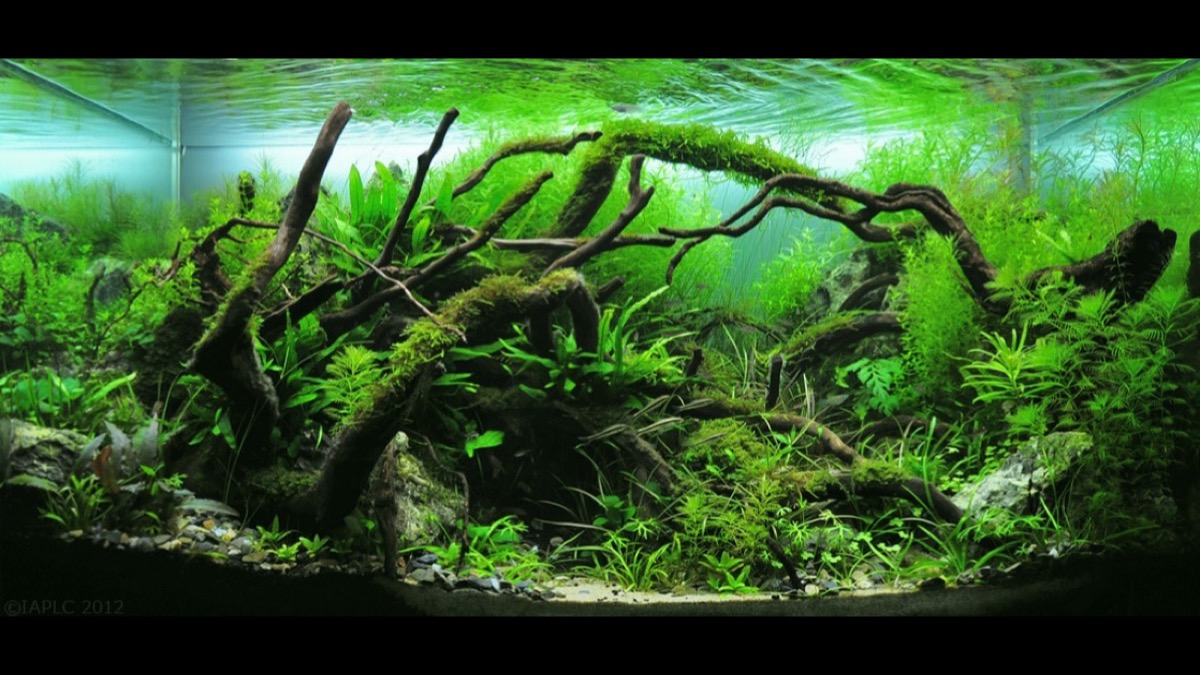
The substrate is the heart of a successful planted tank: it’s what feeds the roots and sets up the right conditions. But between “nutrient substrate”, “aquasoil” and “base layer”, it’s hard to find your way. Here’s how to choose simply, depending on your project.
The bottom line. For a beginner’s planted tank, an aquasoil (complete granules, used on its own) is the simplest: it feeds the roots and sets up water that plants like. A classic nutrient substrate goes underneath a cap layer (sand/gravel). Aim for 4 to 6 cm of total depth. Both run out in 1–2 years: you then top up with fertilising. Useful even without CO2 for easy plants.
The 3 main options
| Option | How it works | Best for |
|---|---|---|
| Aquasoil | Complete granules: feeds AND acts as the surface | Beginners who want simple |
| Nutrient base + cap | Rich layer underneath + sand/gravel on top | Tighter budget, sand look |
| Inert sand/gravel + fertilising | Neutral substrate + added fertiliser | Attached plants, or those confident dosing |
For a first planted tank, aquasoil on its own is the shortest route: lay it down, plant, and it works. The other two options take a bit more method.
The criteria that really matter
- Root nutrition: a good substrate releases nutrients where plants take them up — through the roots. That’s its primary job.
- Effect on the water: many aquasoils lower the pH and slightly soften the water, which plants and shrimp appreciate.
- Grain size: neither too fine (it compacts and goes anoxic) nor too coarse (the roots get no grip).
- Lifespan: the nutrient store lasts 1 to 2 years, after which you fertilise.
The biggest beginner mistake: laying an aquasoil too thin "to save money". The roots then lack grip and reserves. Far better to go 4-6 cm from the start: you can't undo it later without tearing everything apart.
Setting it up properly
For a first planted tank, aquasoil used on its own is still the simplest choice: lay it down, plant, and it works.
Aquasoil for planted tanks
Our pick- Complete granules: feeds the roots AND acts as the surface
- Often lowers the pH and softens the water (liked by plants and shrimp)
- Used on its own, with no layering to manage
Amazon affiliate link. Price and availability may change at any time.
The substrate’s store runs out in 1 to 2 years: you then restart root nutrition with root tabs, alongside the substrate already in place.
Root tabs (root fertiliser)
Our pick- Feeds the roots directly, right where the substrate has gone poor
- Tabs to push in near the hungry plants
- Extends the life of an aquasoil without redoing everything
Amazon affiliate link. Price and availability may change at any time.
Before laying your substrate, run through these points:
- I've chosen: aquasoil on its own (simple) OR nutrient base + cap
- Total depth of 4 to 6 cm
- Grain size neither too fine nor too coarse
- I don't rinse the aquasoil (it would break down)
- I fill the tank very gently to avoid clouding the water
- I plan to add top-up fertilising after 1-2 years
For a first planted tank, aquasoil used on its own is the best balance of simplicity and results: no layering to manage, well-fed roots, water that plants like. You move on to more elaborate builds (base layer + cap) once you have the experience.
Conclusion
The right substrate is the one that feeds the roots and matches your level: aquasoil on its own for simplicity, nutrient base + cap for a controlled sand look. Aim for 4–6 cm, don’t rinse it, fill gently, and plan to top up fertilising after a year or two. A good substrate is half a successful planted tank.
For a specific nano, see Best substrate for a no-CO2 nano tank. And for the plants to go with it, Easy plants with no CO2 for beginners.
Frequently asked questions
What's the difference between a nutrient substrate and an aquasoil?
A nutrient base layer is rich in nutrients but goes underneath a cap layer; an aquasoil is a complete granular substrate that both feeds the plants AND acts as the surface. Aquasoil is simpler to use on its own for a beginner.
How deep should the substrate be in a planted tank?
Aim for 4 to 6 cm of substrate in total to anchor the roots well and store nutrients. If you layer a nutrient base and a cap, split the depth between the two. Too thin and the roots get no grip; too deep and the bottom can go anoxic.
Do you need a nutrient substrate without CO2?
A nutrient substrate (or aquasoil) is useful even without CO2: it feeds the roots, which helps easy plants grow well. It won't replace CO2 for very demanding species, but for a beginner's planted tank it makes a real difference.
Does a nutrient substrate run out?
Yes, its nutrient store lasts roughly 1 to 2 years. After that, the substrate still anchors the roots but you top up nutrition with root tabs or liquid fertiliser. That's normal and expected.